Mastering 3D Photo Storytelling: Captivate Your Audience

3D Photo Storytelling
In the evolving landscape of visual media, 3D photography has emerged as a powerful tool for storytelling. By adding depth and realism to images, 3D photography enables storytellers to create immersive experiences that captivate and engage audiences on a profound level. This article explores the techniques and strategies that can help you master 3D photo storytelling, ensuring your narratives resonate with viewers and leave a lasting impression.
Understanding the Essence of 3D Photography
3D photography, or stereoscopic photography, involves capturing images that mimic the human eye’s perception of depth. By capturing two slightly different perspectives, these images create an illusion of depth when viewed with the appropriate technology. This depth perception can transform static images into dynamic visual stories, drawing viewers into the scene and making them feel like participants in the narrative.
The Science Behind 3D Imaging
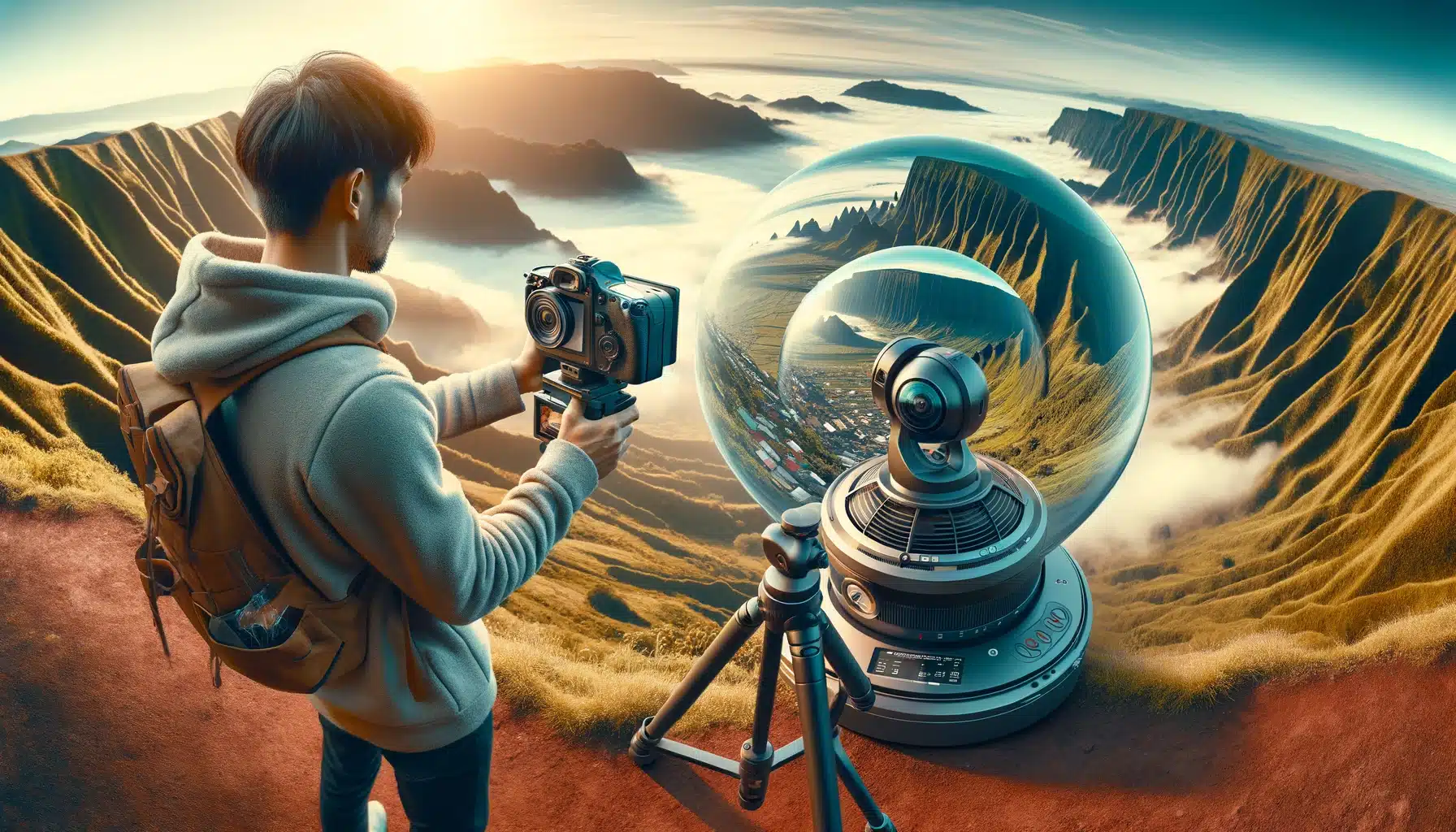
To truly master 3D photo storytelling, it’s essential to understand the science behind 3D imaging. The human brain perceives depth through binocular vision, where each eye captures a slightly different image. This difference, called binocular disparity, allows the brain to interpret depth and spatial relationships. 3D photography replicates this process by using two lenses or cameras spaced apart to capture images from different angles, which are then combined to create a 3D effect.
Techniques for Capturing Compelling 3D Images
Capturing effective 3D photographs requires a combination of technical skills and creative vision. Here are some techniques to help you capture compelling 3D images that enhance your storytelling:
Stereo Base and Convergence
The stereo base, or the distance between the two lenses, significantly impacts the depth effect in 3D images. A larger stereo base can exaggerate depth, while a smaller one provides a subtler effect. Similarly, convergence, the angle at which the lenses point toward each other, affects how the images merge. Adjusting these parameters allows you to control the depth and focus of your 3D images, enhancing the storytelling experience.
Lighting and Shadows
Effective use of lighting and shadows is crucial in 3D photography. Shadows add depth and dimensionality to your images, emphasizing the spatial relationships between objects. Experimenting with different lighting angles and intensities can help you create mood and texture, enhancing the narrative quality of your 3D photographs.
Depth of Field
Managing depth of field is vital in 3D photography, as it influences which elements of the scene are in focus. By strategically using a shallow depth of field, you can draw attention to specific subjects, guiding the viewer’s eye and reinforcing the story you wish to tell.
Composing Your 3D Photo Narrative
Once you have mastered the technical aspects of 3D photography, the next step is to compose a narrative that resonates with your audience. Here are some strategies to help you craft compelling 3D photo stories:
Define Your Narrative Arc
Every compelling story has a clear narrative arc, with a beginning, middle, and end. In 3D photo storytelling, this arc can be achieved by carefully selecting and sequencing images that convey the progression of events or emotions. Consider how each image contributes to the overall narrative and guides the viewer through the story.
Character and Emotion
Characters and emotions are at the heart of any engaging narrative. In 3D photo storytelling, capturing expressions, gestures, and interactions in a way that conveys emotion can create a powerful connection with the audience. By highlighting the human element, you can make your stories more relatable and impactful.
Setting and Atmosphere
The setting and atmosphere of your 3D photographs play a crucial role in storytelling. Consider how the environment and background elements contribute to the narrative. Use depth to emphasize the relationship between the characters and their surroundings, enhancing the mood and context of the story.
Editing and Post-Production Techniques
Post-production is a vital phase in 3D photo storytelling, allowing you to refine and enhance your images to better convey your narrative. Here are some techniques to consider:
Color Grading and Tone
Color grading can significantly impact the mood and tone of your 3D photographs. Use color to evoke specific emotions or to highlight key elements in your story. Experiment with different palettes and tones to find the combination that best complements your narrative.
Alignment and Disparity Correction
In 3D photography, even slight misalignments can disrupt the depth effect. Use specialized software to align and correct disparities between the two images, ensuring a seamless 3D viewing experience. This step is crucial for maintaining the illusion of depth and enhancing the viewer’s engagement with the story.
Special Effects and Enhancements
Consider incorporating special effects and enhancements to add flair to your 3D photographs. Subtle effects, like adding lens flares or adjusting focus points dynamically, can enhance the storytelling aspect of your images, making them more captivating and immersive.
Presenting and Sharing Your 3D Story
Once your 3D photo story is complete, effective presentation and sharing strategies can help you reach and engage your audience:
Choosing the Right Platform
Selecting the appropriate platform for displaying your 3D photographs is crucial. Platforms that support 3D viewing, such as VR headsets or 3D-enabled devices, allow viewers to experience the full depth and immersion of your story. Consider where your audience is most likely to engage with your content and tailor your presentation accordingly.
Interactive Storytelling
Interactive elements can enhance the 3D storytelling experience. Consider incorporating interactive features, such as clickable hotspots or animated transitions, to allow viewers to explore the narrative at their own pace. This interactivity can deepen engagement and make your story more memorable.
Feedback and Continuous Improvement
Sharing your 3D photo stories with an audience provides an opportunity for feedback and improvement. Pay attention to viewer reactions and comments, using this feedback to refine your storytelling techniques. Continuous improvement will help you stay relevant and maintain the interest of your audience.
Conclusion: The Future of 3D Photo Storytelling
As technology continues to advance, the possibilities for 3D photo storytelling are expanding. The ability to create immersive, engaging narratives through 3D photography offers storytellers a unique opportunity to captivate and connect with audiences in new and exciting ways. By mastering the techniques and strategies outlined in this article, you can harness the power of 3D photo storytelling to create compelling visual narratives that leave a lasting impact.
Embrace the world of 3D photography, explore its creative potential, and let your stories come to life with depth and dimension like never before.
#ChatGPT assisted in the creation of this article.









Post Comment