Mastering Stereoscopic Photography: A Complete Guide
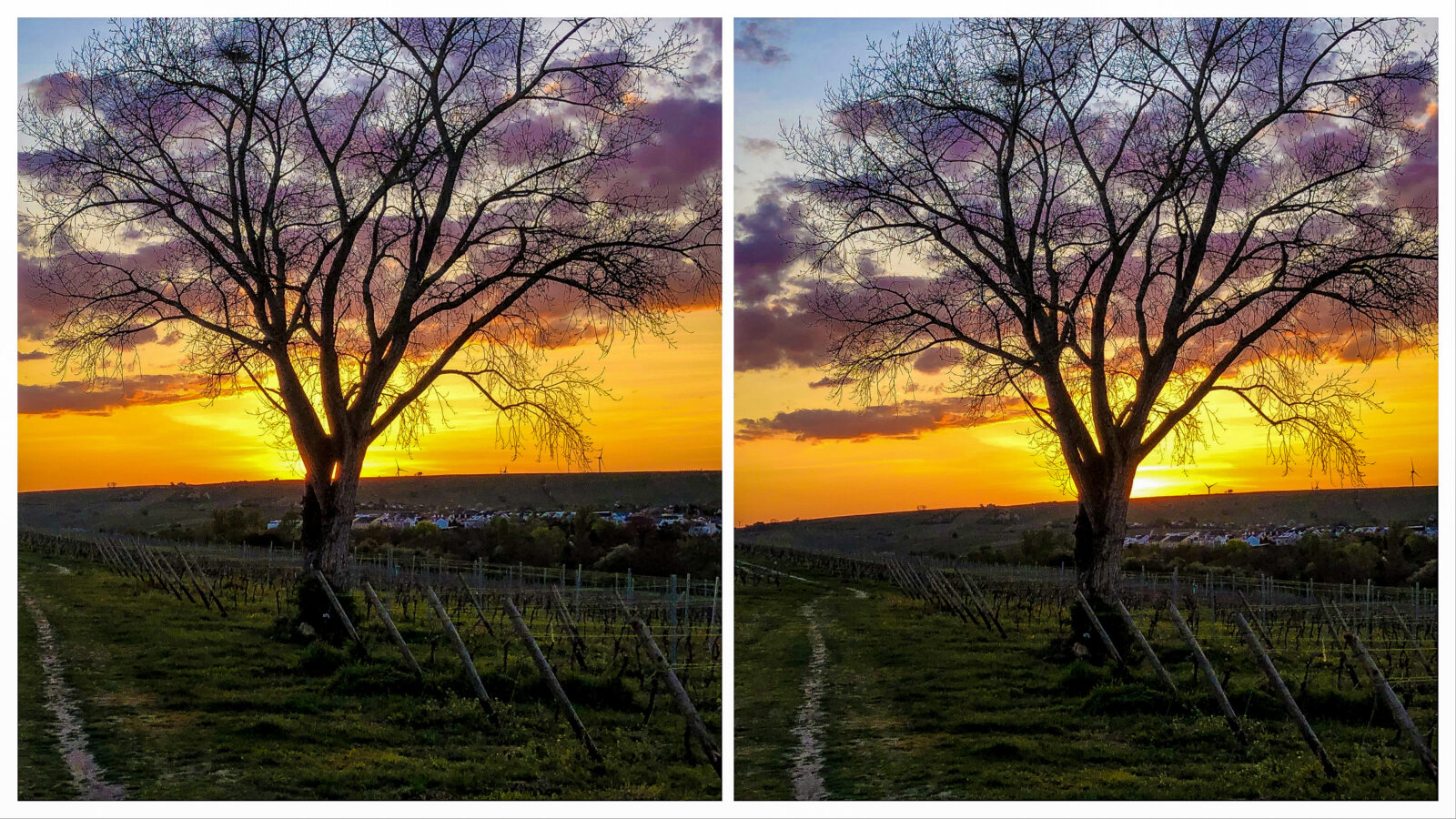
Stereoscopic photography, or 3D photography, is a technique that creates the illusion of depth in an image by presenting two offset images separately to the left and right eye of the viewer. This mimics the natural binocular vision, where each eye observes the world from a slightly different angle, allowing the brain to perceive depth. Mastering this technique requires a blend of artistic vision and technical skills. In this guide, we will explore the fundamentals of stereoscopic photography and provide insights on how to master this captivating art form.
The Science Behind Stereoscopic Photography
Before diving into the technical aspects, it is essential to understand the science behind stereoscopic photography. Our eyes are approximately 6.5 cm apart, offering two slightly different perspectives of the same scene. The brain processes these two images to create a single three-dimensional perception. Stereoscopic photography replicates this process using two cameras or a single camera with a special lens setup, capturing two images from slightly different angles. When viewed through special glasses or a stereoscope, these images merge to recreate the perception of depth.
Equipment Needed for Stereoscopic Photography
Stereoscopic Cameras
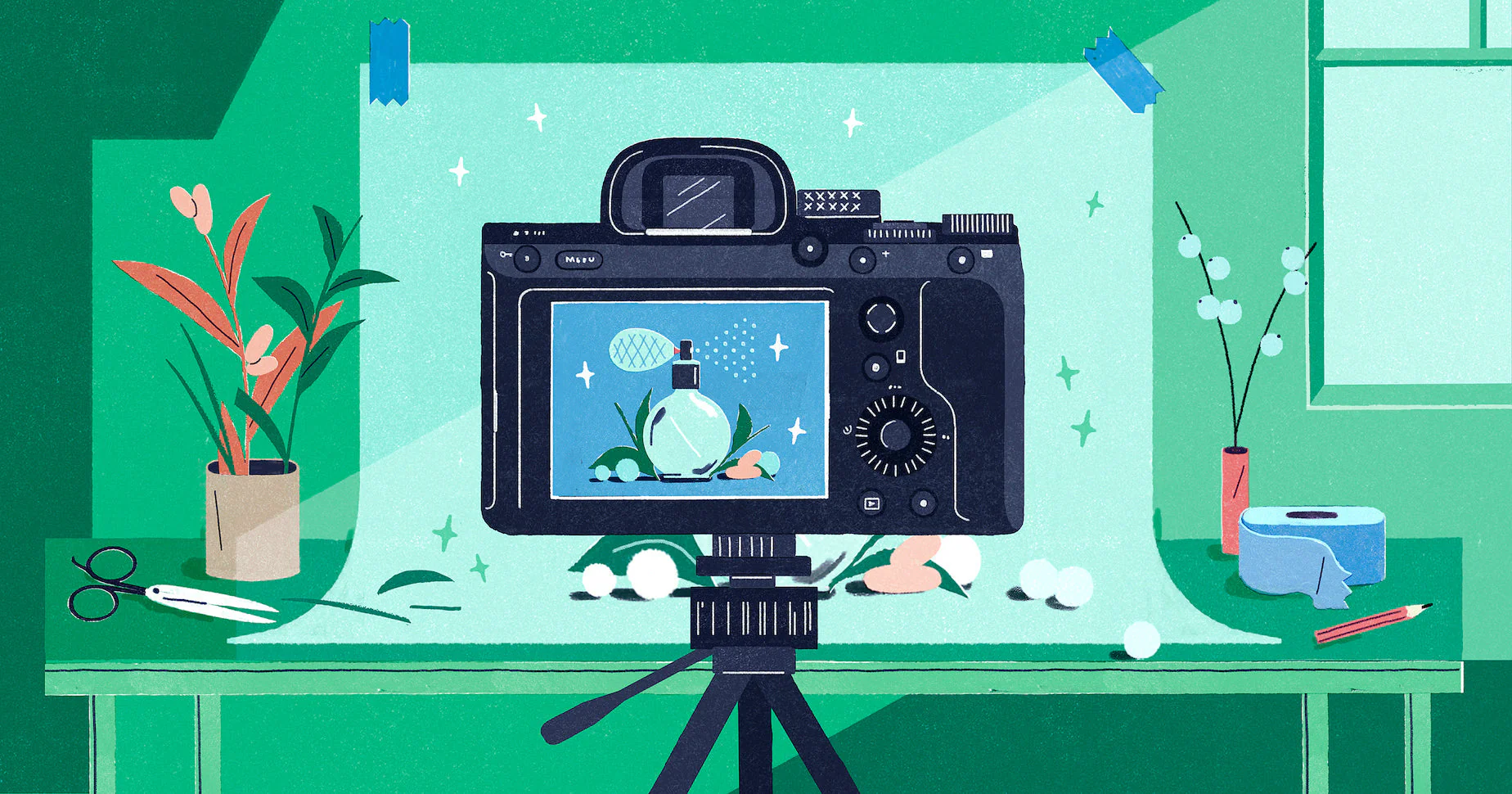
The cornerstone of stereoscopic photography is the camera setup. You can use two identical cameras mounted side by side or a single camera with a stereoscopic lens attachment. Some dedicated 3D cameras are designed specifically for this purpose, offering built-in dual lenses that automatically capture images from two perspectives.
Tripods and Rigs
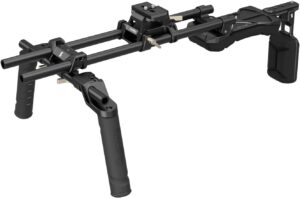
Stability is crucial in stereoscopic photography to ensure both images are aligned perfectly. A sturdy tripod or a specialized stereoscopic rig can help maintain consistent positioning and spacing between the cameras.
Stereoscopic Viewers
To fully appreciate the depth captured in stereoscopic photography, you need a viewer or glasses that can display the two images separately to each eye. Options range from anaglyph glasses, which use colored lenses, to advanced virtual reality headsets that enhance the 3D experience.
Capturing Stereoscopic Images
Setting Up the Cameras
When setting up your cameras, ensure they are perfectly aligned and spaced approximately 6.5 cm apart. This distance replicates human eye separation and is crucial for achieving a natural depth effect. Use a spirit level to verify that both cameras are on the same plane.
Adjusting Camera Settings
Consistency is key in stereoscopic photography. Ensure both cameras have identical settings for aperture, shutter speed, and ISO. This ensures that the images are exposed equally and maintain the same color balance, making the merging process smoother.
Composing the Shot
When composing your shot, focus on elements that emphasize depth, such as leading lines, overlapping subjects, and varying textures. These elements will enhance the stereoscopic effect and make the 3D perception more pronounced.
Post-Processing Stereoscopic Images
Aligning and Merging Images
After capturing your images, the next step is alignment and merging. Software tools like Adobe Photoshop or specialized 3D image processing software can help in aligning the images. Look for features that assist in correcting any horizontal or vertical disparities between the two images.
Creating Anaglyphs
Anaglyphs are a popular way to present stereoscopic images. This method involves coloring one image in red and the other in cyan, and then merging them. When viewed through red-cyan glasses, the images separate to create a 3D effect. Software like StereoPhoto Maker can automate this process and fine-tune the alignment for optimal results.
Advanced 3D Rendering
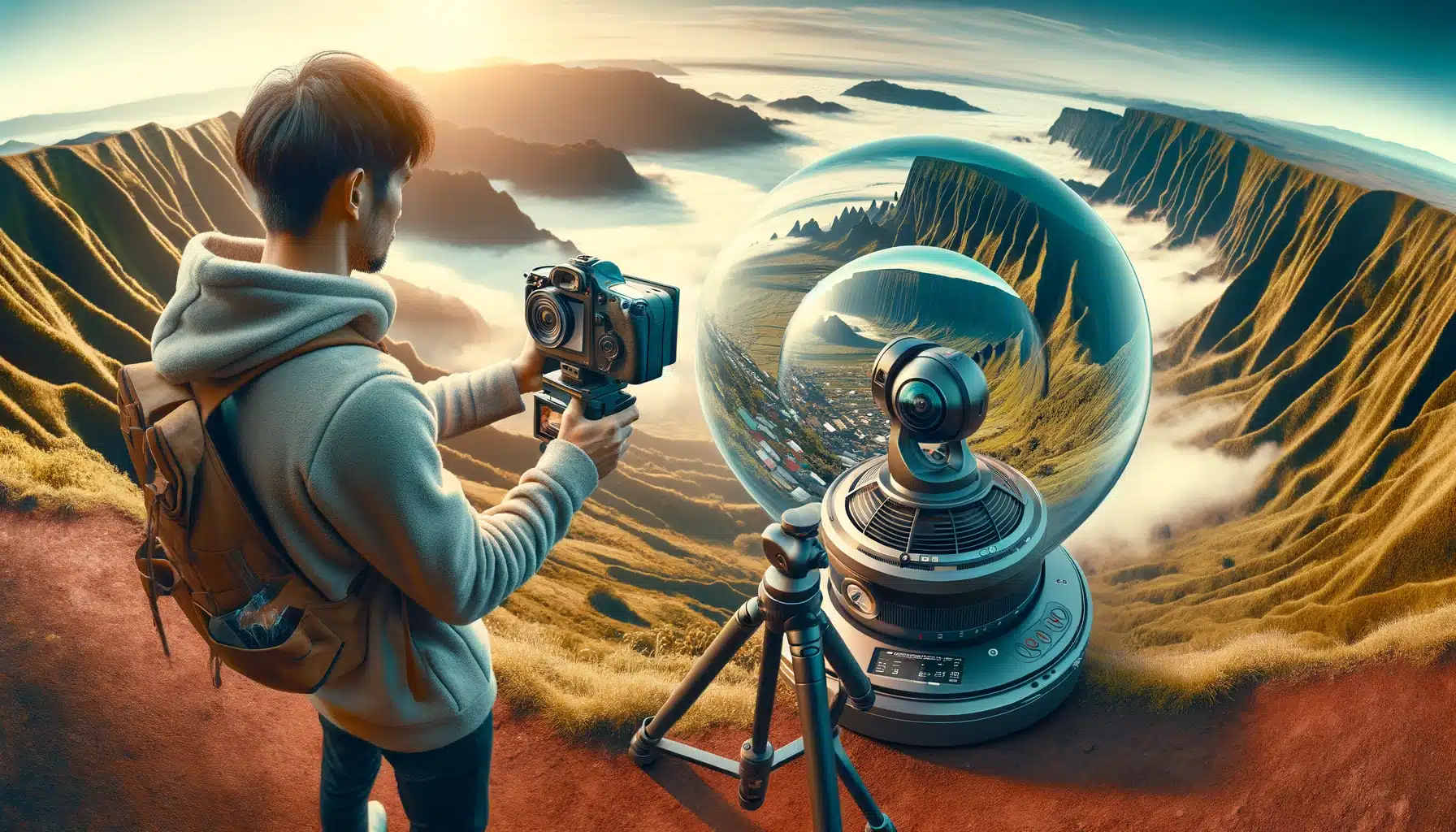
For those seeking a more immersive experience, advanced rendering techniques can be used to create 3D images viewable on virtual reality devices. These techniques often involve creating a stereoscopic panorama or using depth maps to enhance the 3D illusion.
Viewing and Sharing Stereoscopic Images
Choosing the Right Viewing Method
The method you choose to view your stereoscopic images depends on your audience and the level of immersion you wish to achieve. Simple anaglyph glasses are accessible and inexpensive, while VR headsets offer a more immersive experience, allowing viewers to interact with the 3D space.
Sharing Your Work
Sharing stereoscopic images online can be challenging due to the need for specialized viewing equipment. Platforms like YouTube support 3D video uploads, allowing viewers to experience your work using compatible devices. Alternatively, you can host your images on websites that cater to 3D content and provide instructions for optimal viewing.
Common Challenges and How to Overcome Them
Image Alignment Issues
One of the most common challenges in stereoscopic photography is ensuring perfect alignment between the two images. Misalignment can cause discomfort when viewing and diminish the 3D effect. Use software tools to fine-tune alignment and consider using a laser pointer during setup to ensure precise camera positioning.
Color Discrepancies
Even minor differences in color balance between the two images can disrupt the 3D illusion. To prevent this, ensure both cameras have synchronized settings and perform color correction during post-processing if needed.
Viewer Fatigue
Prolonged viewing of poorly aligned or improperly processed stereoscopic images can cause eye strain and fatigue. To mitigate this, ensure your images are well-aligned and consider offering breaks or alternative viewing methods for extended sessions.
Conclusion
Mastering stereoscopic photography requires a blend of technical expertise and artistic intuition. By understanding the science behind the technique, investing in the right equipment, and honing your post-processing skills, you can create captivating 3D images that offer viewers a glimpse into a world of depth and dimension. Whether you’re a hobbyist or a professional, stereoscopic photography offers endless possibilities for creative exploration and storytelling. With practice and perseverance, you can elevate your photography to new dimensions and captivate audiences with the magic of 3D imagery.





Post Comment