Mastering Advanced 3D Photography: Techniques for 2026
Introduction
As we progress into 2026, 3D photography continues to evolve, offering photographers and hobbyists alike a unique way to capture the world. With the advent of new technologies and software, mastering advanced 3D photography techniques has become more accessible and versatile. This article delves into the cutting-edge practices that can help you elevate your 3D photography game, ensuring your work stands out in this dynamic field.
Understanding the Basics of 3D Photography
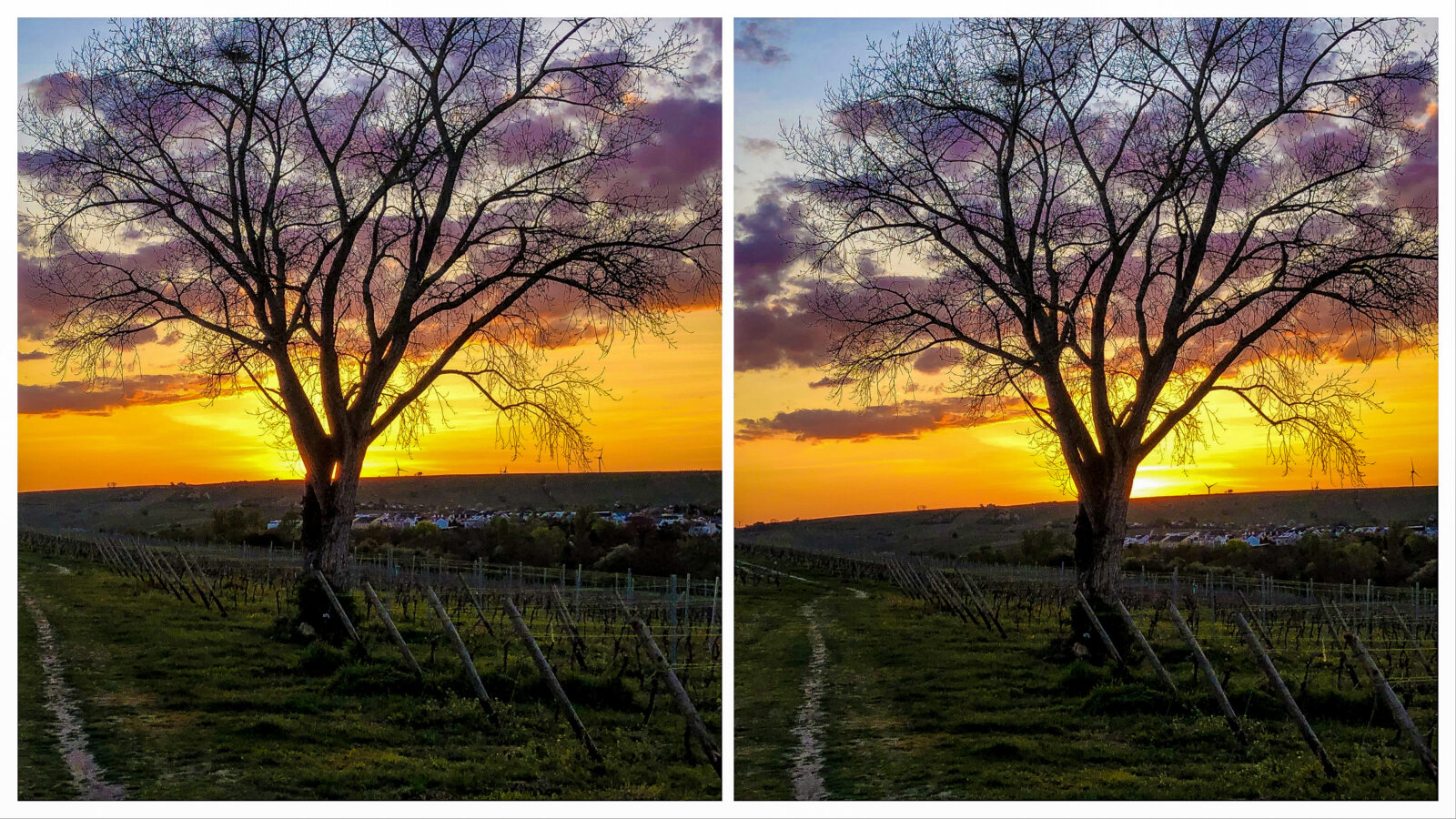
Before diving into advanced techniques, it’s essential to understand the fundamentals of 3D photography. At its core, 3D photography involves capturing two images from slightly different angles, mimicking the perspective of each human eye. These images are then combined to create a stereoscopic effect, giving the illusion of depth.
Traditional methods often involve the use of dual-lens cameras or rigs that can hold two cameras. However, recent technological advancements have simplified this process, making it easier for both professionals and amateurs to produce stunning 3D images.
Leveraging Modern Equipment
Dual-Lens Cameras and Mobile Devices
Modern dual-lens cameras have significantly advanced, offering high-resolution imagery that can be effortlessly stitched together to create 3D effects. Many smartphone manufacturers have incorporated dual-lens technology, allowing users to explore 3D photography without investing in specialized equipment.
3D Scanners and LIDAR Technology
3D scanners and LIDAR (Light Detection and Ranging) technology have become invaluable tools in the 3D photography toolkit. These devices capture detailed spatial information, enabling photographers to create highly accurate and intricate 3D models of their subjects. This technology is especially useful in architectural and landscape photography, where precision is paramount.
Advanced Software Solutions
Image Processing and Stitching Software
The role of software in 3D photography cannot be overstated. Advanced image processing software allows photographers to seamlessly stitch together images, adjust perspectives, and enhance depth. Applications like Adobe Photoshop, Agisoft Metashape, and RealityCapture provide powerful tools to refine 3D images and models.
AI and Machine Learning
Artificial Intelligence (AI) and machine learning are revolutionizing 3D photography. These technologies are capable of automating complex tasks such as image alignment, depth estimation, and noise reduction. AI-driven tools can also assist in generating realistic textures and lighting effects, elevating the overall quality of 3D images.
Techniques for Capturing Stunning 3D Images
Stereoscopic Photography
Stereoscopic photography remains a popular technique for creating 3D images. By capturing two images from slightly different angles, photographers can use stereoscopic viewers or VR headsets to provide viewers with a captivating 3D experience. Ensuring precise alignment and maintaining a consistent distance between shots are critical for achieving the best results.
Focus Stacking
Focus stacking is a technique that involves taking multiple images at different focus distances and combining them to create a single image with an extended depth of field. This technique is particularly useful in macro 3D photography, where achieving sufficient depth of field can be challenging. Software tools like Helicon Focus can automate this process, making it easier to produce sharp, detailed 3D images.
Light Field Photography
Light field photography captures the direction and intensity of light rays, enabling photographers to refocus images after they are taken. This technology can be used to create interactive 3D images that allow viewers to adjust focus, perspective, and depth. Light field cameras, such as those developed by Lytro, have opened new possibilities for creative 3D photography.
Exploring Creative Applications
Virtual Reality (VR) and Augmented Reality (AR)
The integration of 3D photography with VR and AR technologies offers exciting opportunities for storytelling and immersive experiences. Photographers can create virtual tours, interactive exhibitions, and augmented reality applications that engage audiences on multiple sensory levels. As VR and AR continue to gain popularity, mastering 3D photography techniques for these platforms can provide significant creative and commercial benefits.
3D Printing
3D photography and 3D printing are closely linked, allowing photographers to bring their images to life in tangible form. By capturing detailed 3D models and using 3D printing technology, photographers can create sculptures, replicas, and other physical objects based on their digital images. This offers a unique way to showcase and monetize 3D photography work.
Overcoming Challenges in 3D Photography
Parallax Errors
Parallax errors occur when there is a misalignment between the two images used to create a 3D effect. This can result in ghosting or double images, detracting from the overall quality of the 3D photograph. To minimize parallax errors, it’s crucial to maintain a consistent distance between the camera lenses and ensure proper alignment during shooting and post-processing.
Managing Large Data Sets
3D photography often involves capturing and processing large volumes of data, especially when dealing with high-resolution images or detailed 3D models. Efficient data management practices, such as organizing files, optimizing storage solutions, and using powerful processing software, are essential to streamline workflows and avoid bottlenecks.
The Future of 3D Photography
As we look ahead to the future of 3D photography, several trends and innovations are poised to shape the field. The integration of AI-driven tools will continue to simplify complex tasks and enhance image quality. Additionally, the growing popularity of immersive technologies like VR and AR will drive demand for high-quality 3D content.
Furthermore, advancements in hardware, such as improved sensors and cameras, will enable photographers to capture more detailed and accurate 3D images. As these technologies evolve, so too will the creative possibilities and applications of 3D photography, cementing its place as a vital and dynamic art form.
Conclusion
Mastering advanced 3D photography techniques in 2026 requires a blend of technical skill, creativity, and a willingness to embrace new technologies. By leveraging modern equipment, software solutions, and innovative techniques, photographers can push the boundaries of what’s possible in 3D photography. Whether you’re creating immersive VR experiences, intricate 3D models, or stunning stereoscopic images, the potential for creativity and innovation in this field is limitless. As you continue to explore and refine your skills, you’ll find that the world of 3D photography is as exciting and dynamic as ever.







Post Comment