Mastering Professional 3D Photography: Top Techniques Revealed
3D Photography
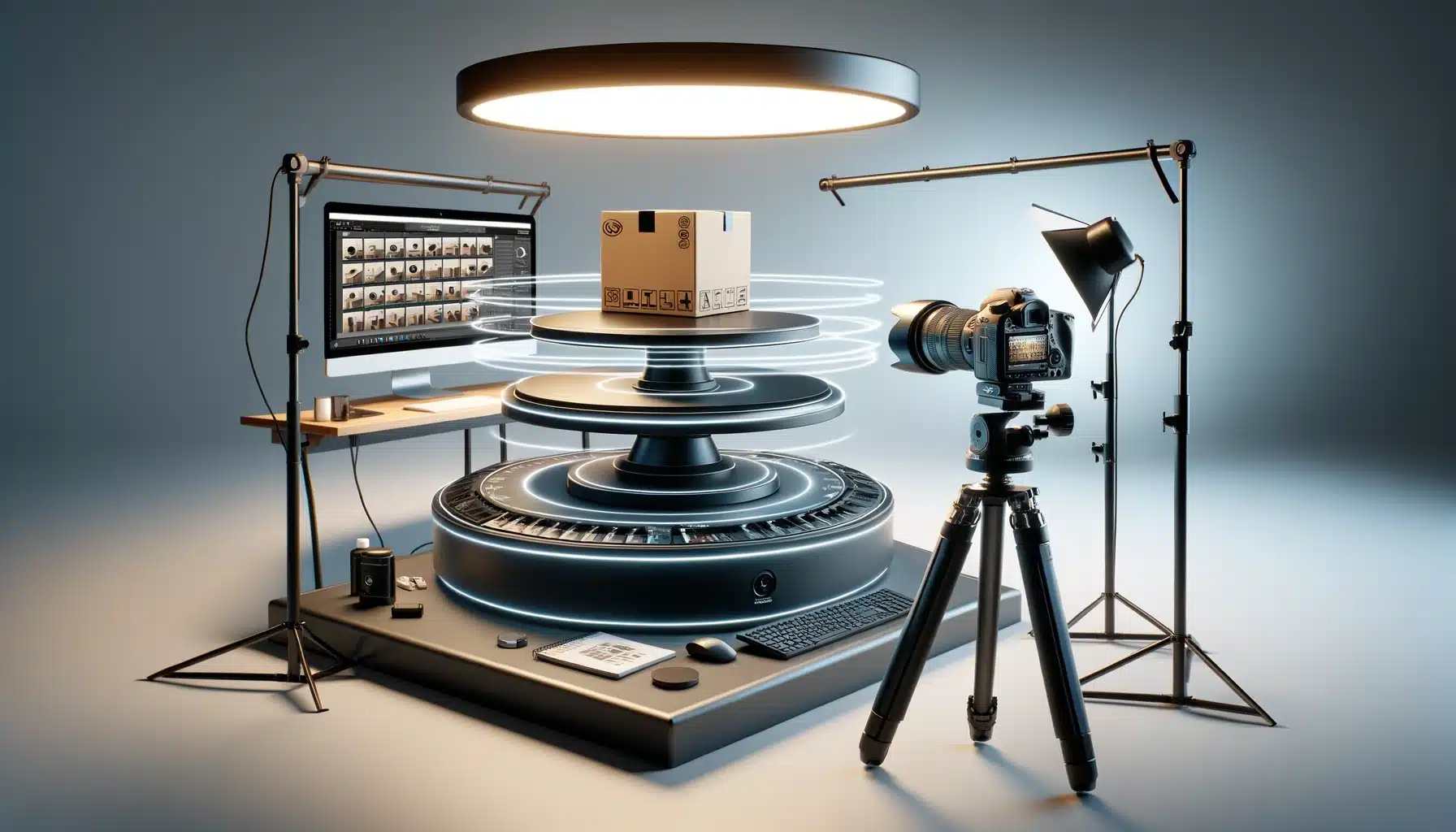
3D photography, often referred to as stereoscopic photography, is an exhilarating realm that transforms static images into immersive experiences. This technique captures the depth and dimensionality of a scene, flinging viewers into a vivid world that mimics natural vision. As technology continues to advance, mastering 3D photography has become increasingly accessible and rewarding for both amateur and professional photographers alike. This article delves into the top techniques for mastering professional 3D photography, equipping you with the knowledge to create compelling visual narratives that captivate and engage.
The Science Behind 3D Photography
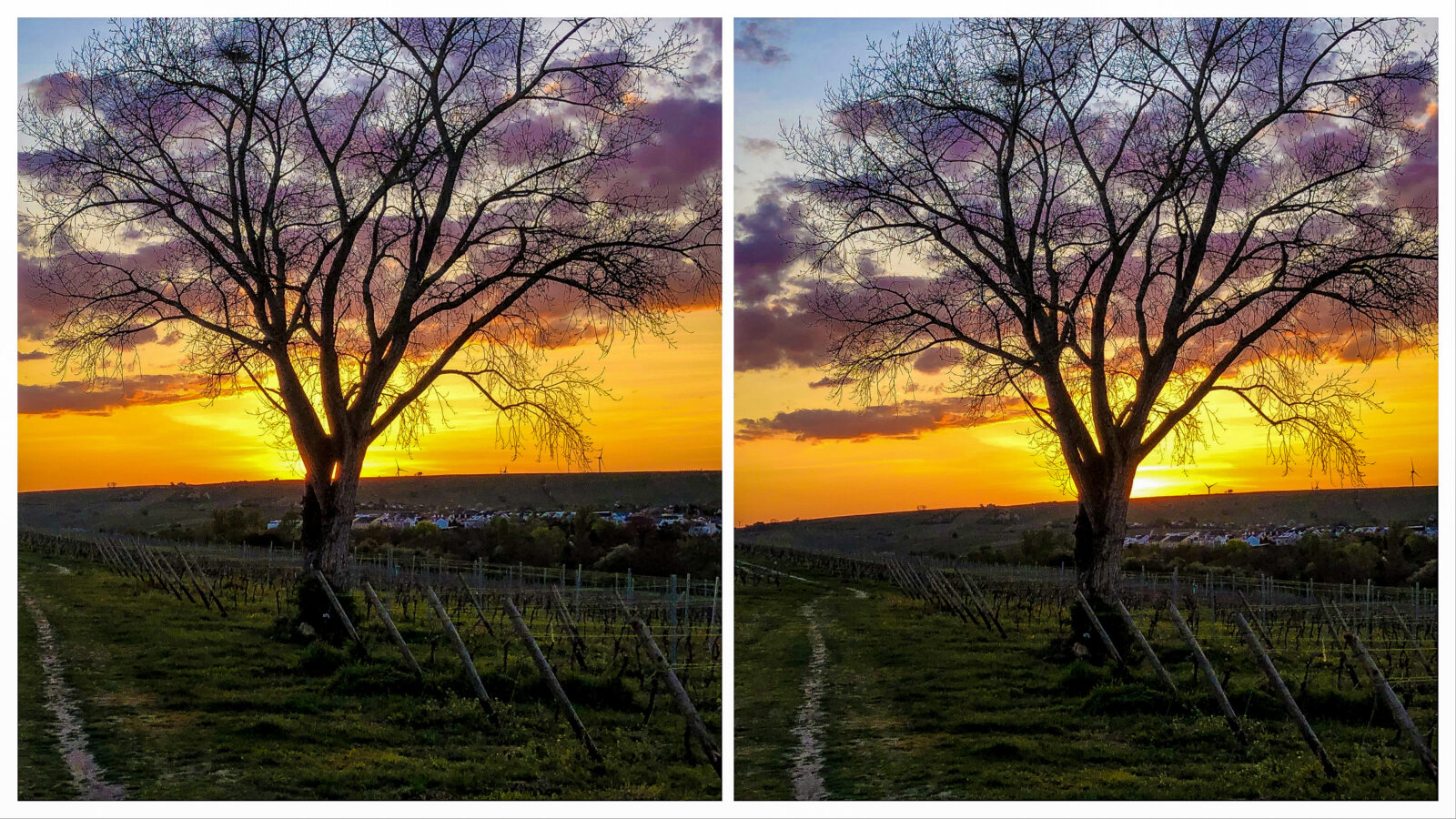
To master 3D photography, one must first understand its scientific foundation. The technique hinges on the principle of stereopsis, where two slightly different images are captured from slightly different angles, mimicking the binocular vision of human eyes. These images are then combined to create a sense of depth and three-dimensionality. By understanding this principle, photographers can better manipulate their equipment and surroundings to enhance the 3D effect.
Equipment Essentials
Before diving into techniques, it’s crucial to assemble the right equipment. While some smartphones and cameras offer built-in 3D capabilities, professional 3D photography often requires specialized tools:
1. **Stereo Cameras**: These cameras have two or more lenses that simultaneously capture images from different angles. Popular models include the Fujifilm FinePix Real 3D W3 and the Panasonic Lumix 3D1.
2. **3D Lenses**: Attachments like the Loreo 3D lens-in-a-cap can convert regular DSLR cameras into 3D-capable devices.
3. **Tripods and Stabilizers**: To ensure precise alignment of the stereo images, stable support is essential.
4. **3D Viewing Devices**: Whether it’s a VR headset or a 3D TV, having a way to view your creations is vital to the process.
Techniques for Capturing Stunning 3D Images
Convergence and Interocular Distance
A critical factor in 3D photography is the alignment of the images, known as convergence. Adjusting the interocular distance, the space between the lenses, can greatly affect the depth perception. For scenes with distant subjects, a wider interocular distance can enhance the 3D effect, while closer subjects may require a narrower setting to prevent viewer discomfort.
Parallax and Depth Management
Parallax refers to the difference in the apparent position of objects when viewed from different angles. Mastering parallax involves controlling the relative positioning of foreground and background elements to create a balanced composition. This is achieved by carefully selecting the shooting angle and ensuring that key elements are not obscured by parallax shifts.
Lighting Considerations
Lighting plays a pivotal role in enhancing or diminishing the 3D effect. Shadows and highlights add depth and texture, making the scene more lifelike. Opt for side lighting to accentuate textures and features, creating pronounced shadows that enhance the three-dimensionality.
Foreground and Background Composition
In 3D photography, the relationship between foreground and background is crucial. A strong foreground element can anchor the viewer’s gaze and provide a reference point for perceiving depth. Use leading lines or natural frames within the scene to guide the viewer’s eye and enhance the sense of immersion.
Post-Processing for 3D Photography
Image Alignment and Correction
Post-processing is as important as capturing the images themselves. Begin by aligning the stereo images using software like Adobe Photoshop or dedicated 3D photography tools. Correct any disparities in alignment to ensure a seamless 3D effect.
Color and Contrast Adjustments
Adjusting color and contrast is essential to bring out the details and depth in 3D images. Ensure that both images in the stereo pair have consistent color grading to avoid discrepancies that can disrupt the 3D illusion.
Creating Anaglyphs and 3D Formats
Once your images are processed, they can be converted into various 3D formats such as anaglyphs, polarized images, or side-by-side 3D. Anaglyphs, which use red-cyan glasses for viewing, are popular for their simplicity and compatibility with standard displays.
Advanced Techniques for Professional 3D Photography
Time-Lapse 3D Photography
Time-lapse 3D photography combines the dynamic changes of time-lapse with the depth of 3D, producing captivating results. This technique requires precise synchronization and careful planning to maintain consistent interocular distance and alignment throughout the sequence.
Macro 3D Photography
Capturing close-up 3D images opens a new world of detail and depth. Macro 3D photography demands meticulous control over convergence and interocular distance, often requiring specialized macro lenses or extension tubes.
3D Panoramas
Creating a 3D panorama involves stitching together multiple 3D images to form a seamless, immersive landscape. This technique requires careful attention to alignment and stitching software capable of handling stereo images.
The Art of Storytelling in 3D
Beyond the technical aspects, 3D photography is a powerful storytelling medium. By emphasizing depth and perspective, photographers can convey emotions and narratives in ways that flat images cannot. Consider the mood and message you wish to convey, using 3D techniques to enhance the story’s impact.
Challenges and Solutions in 3D Photography
Viewer Comfort
A common challenge in 3D photography is viewer discomfort, often caused by excessive parallax or misalignment. To mitigate this, ensure proper alignment and moderation in depth effects to create a comfortable viewing experience.
Equipment Limitations
While specialized equipment can enhance 3D photography, creative solutions and techniques can compensate for limitations. Experiment with DIY setups or software solutions to achieve desired results without breaking the bank.
Keeping Up with Technology
The field of 3D photography is ever-evolving, with new technologies and techniques emerging regularly. Stay informed by engaging with online communities, attending workshops, and experimenting with new tools and methods.
Conclusion
Mastering professional 3D photography is a journey that combines technical skill with artistic vision. By understanding the science, employing the right techniques, and embracing both the challenges and opportunities of this dynamic field, photographers can create breathtaking images that transcend the boundaries of traditional photography. Whether you’re capturing the grandeur of a landscape or the intricate details of a macro subject, 3D photography offers a unique lens through which to explore and share the world.
#ChatGPT assisted in the creation of this article.






Post Comment