Revolutionizing Design: Photo-Based 3D Modeling Techniques
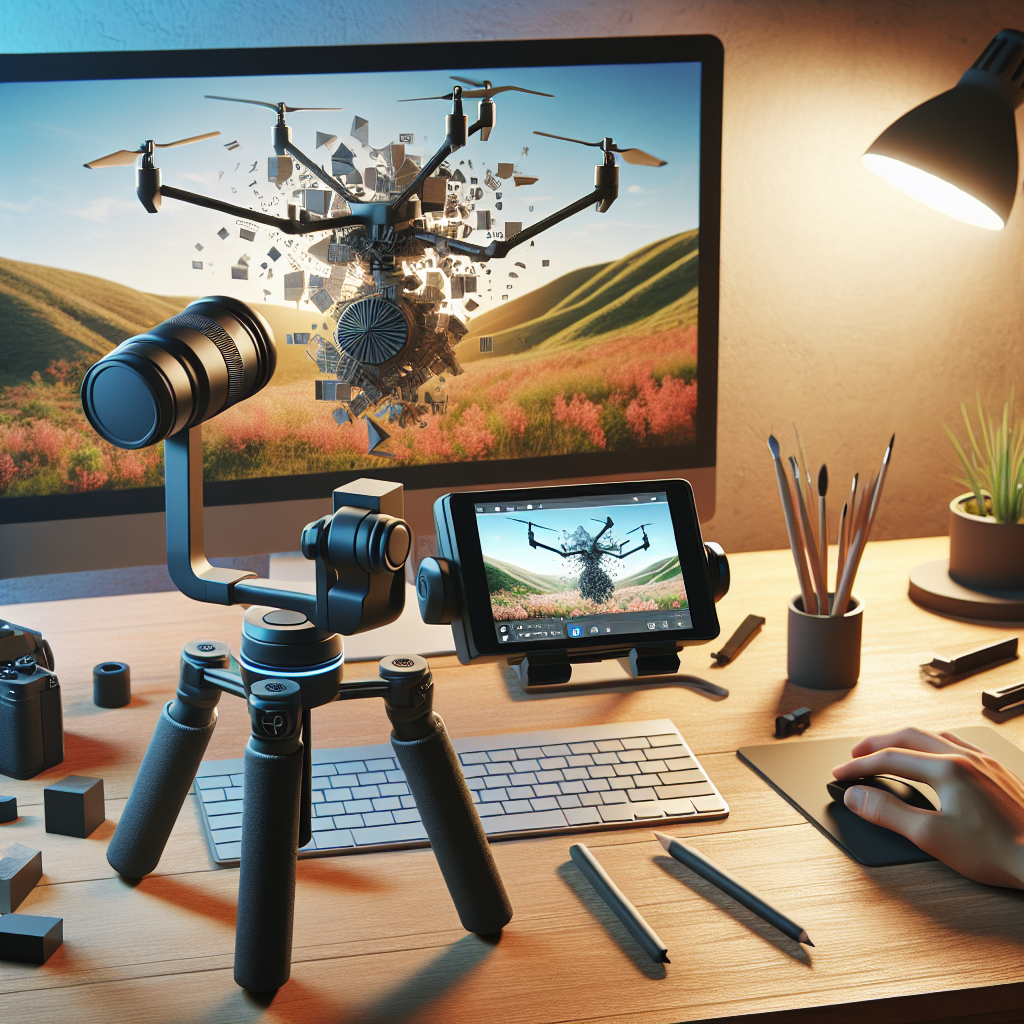
The realm of 3D modeling has undergone significant transformations over the decades, evolving from manual drafting to sophisticated computer-aided design (CAD) systems. One of the most exciting advancements in this field is photo-based 3D modeling. This technique harnesses the power of digital photography and computational algorithms to create accurate, detailed 3D models from 2D images. As the design industry seeks faster and more efficient ways to model objects, photo-based 3D modeling is revolutionizing the landscape by offering unprecedented levels of precision and efficiency.
The Evolution of 3D Modeling
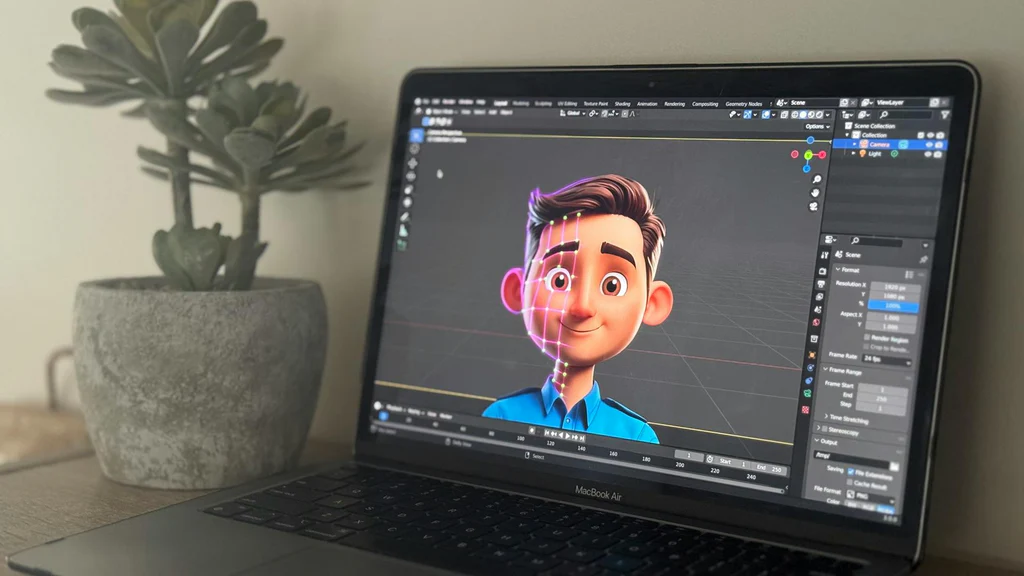
Traditional 3D modeling techniques involved labor-intensive processes that required extensive technical expertise and time. Over the years, technology has facilitated the development of more intuitive and powerful tools, leading to the rise of software like AutoCAD, Blender, and Maya. These tools allowed designers to create highly detailed models, but they often required significant manual input and skill. The introduction of photo-based 3D modeling has streamlined this process, making it more accessible and efficient.
Understanding Photo-Based 3D Modeling
Photo-based 3D modeling, also known as photogrammetry, involves capturing multiple photographs of an object from different angles and using software to reconstruct a 3D model. This process leverages advancements in computer vision and machine learning to analyze the images, identify common points, and generate a three-dimensional representation. The result is a highly detailed and accurate model that can be used in various applications, from architecture to gaming and virtual reality.
Key Techniques in Photo-Based 3D Modeling
Image Capture
The first step in photo-based 3D modeling is capturing high-quality images of the object. This involves taking multiple photographs from various angles to ensure all surfaces are covered. The quality of the images is crucial, as it directly impacts the accuracy of the resulting model. Techniques such as proper lighting, camera calibration, and strategic positioning are essential to capture the best possible images.
Image Processing and Alignment
Once the images are captured, they are processed using specialized software. This involves aligning the images to identify common points and features. The software utilizes algorithms to detect edges, textures, and other characteristics, ensuring that the images are correctly aligned to form a coherent 3D model.
3D Reconstruction
The core of photo-based 3D modeling lies in the reconstruction process. The software uses the aligned images to generate a point cloud, which forms the basis of the 3D model. This point cloud is then converted into a mesh, creating a detailed representation of the object. Advanced algorithms refine the mesh to enhance the model’s accuracy and detail.
Texturing and Rendering
After the 3D model is constructed, the next step is to apply textures and materials to enhance realism. The textures are derived from the original photographs, ensuring that the model closely resembles the real-world object. Rendering techniques are then used to produce a final output that is visually appealing and suitable for various applications.
Applications of Photo-Based 3D Modeling
Architecture and Construction
In architecture and construction, photo-based 3D modeling has become an invaluable tool for creating accurate representations of buildings and structures. It enables architects to visualize projects in three dimensions, facilitating better design decisions and client presentations. This technique also aids in the preservation of historical buildings by creating digital archives for restoration and analysis.
Entertainment and Gaming
The entertainment and gaming industries have embraced photo-based 3D modeling to create realistic environments and characters. This technology allows for the rapid creation of assets, reducing production time and costs. In video games, it enhances the player’s experience by providing immersive and lifelike settings.
Virtual Reality and Augmented Reality
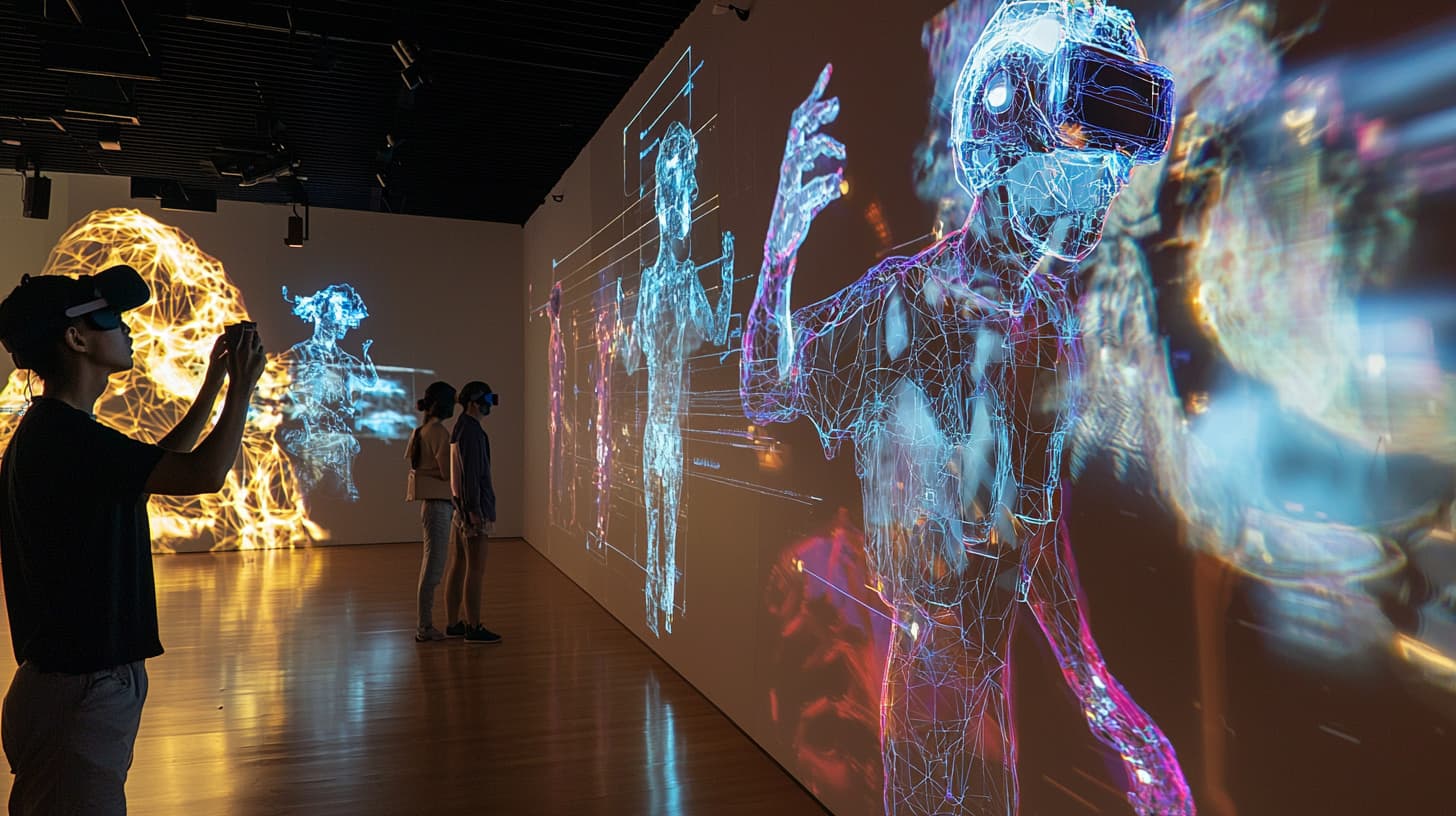
Virtual reality (VR) and augmented reality (AR) rely heavily on 3D modeling to create immersive experiences. Photo-based techniques provide the high level of detail required for VR and AR applications, allowing users to interact with realistic digital objects. This has significant implications for fields such as education, training, and marketing.
Cultural Heritage and Archaeology
In cultural heritage and archaeology, photo-based 3D modeling is used to digitally preserve artifacts and sites. This technology allows researchers to study and share historical objects without physical handling, reducing the risk of damage. It also provides a means to reconstruct sites for educational and research purposes.
Challenges and Limitations
Despite its many advantages, photo-based 3D modeling faces certain challenges. The quality of the final model is highly dependent on the quality of the input images, which requires careful planning and execution. Complex objects with intricate details or reflective surfaces can pose difficulties during the reconstruction process. Additionally, the computational power required for processing large datasets can be a limiting factor for some users.
The Future of Photo-Based 3D Modeling
As technology continues to advance, the capabilities of photo-based 3D modeling are expected to expand. Improvements in camera technology, machine learning algorithms, and processing power will enhance the accuracy and speed of model creation. The integration of artificial intelligence is likely to automate many aspects of the modeling process, making it even more accessible to non-experts. Furthermore, the growing interest in metaverse development and digital twins will drive demand for highly detailed and accurate 3D models, cementing the role of photo-based techniques in the design industry.
Conclusion
Photo-based 3D modeling is revolutionizing design by offering a powerful, efficient, and accessible method of creating detailed 3D models from photographs. Its applications span various industries, from architecture to entertainment, providing new possibilities for creativity and innovation. While challenges remain, ongoing advancements in technology promise to enhance the capabilities of this technique, ensuring its continued impact on the future of design.







Post Comment