Unlocking Visual Depth: Innovative 3D Experiments
The world of 3D visualization is an ever-evolving realm where technology and creativity merge to produce astounding visual experiences. In recent years, innovative 3D experiments have pushed the boundaries of what is possible, unlocking new dimensions of visual depth. This article explores the cutting-edge techniques and technologies driving these advancements, shedding light on how they can be harnessed to create compelling visual narratives.
The Evolution of 3D Visualization
3D visualization has come a long way since its inception. From rudimentary wireframe models to highly realistic renderings, the journey has been marked by continuous innovation. The advent of computer graphics in the late 20th century laid the foundation for modern 3D visualization. However, it is the convergence of hardware advancements and sophisticated software that has truly revolutionized the field.
From Static to Dynamic
In the early days, 3D visuals were largely static, serving primarily as representations of objects or environments. Today, dynamic 3D models have taken center stage, allowing for interactive experiences that engage viewers on multiple levels. Techniques such as real-time rendering and procedural generation are key contributors to this transformation, enabling the creation of immersive environments that respond to user input.
Realism and Beyond
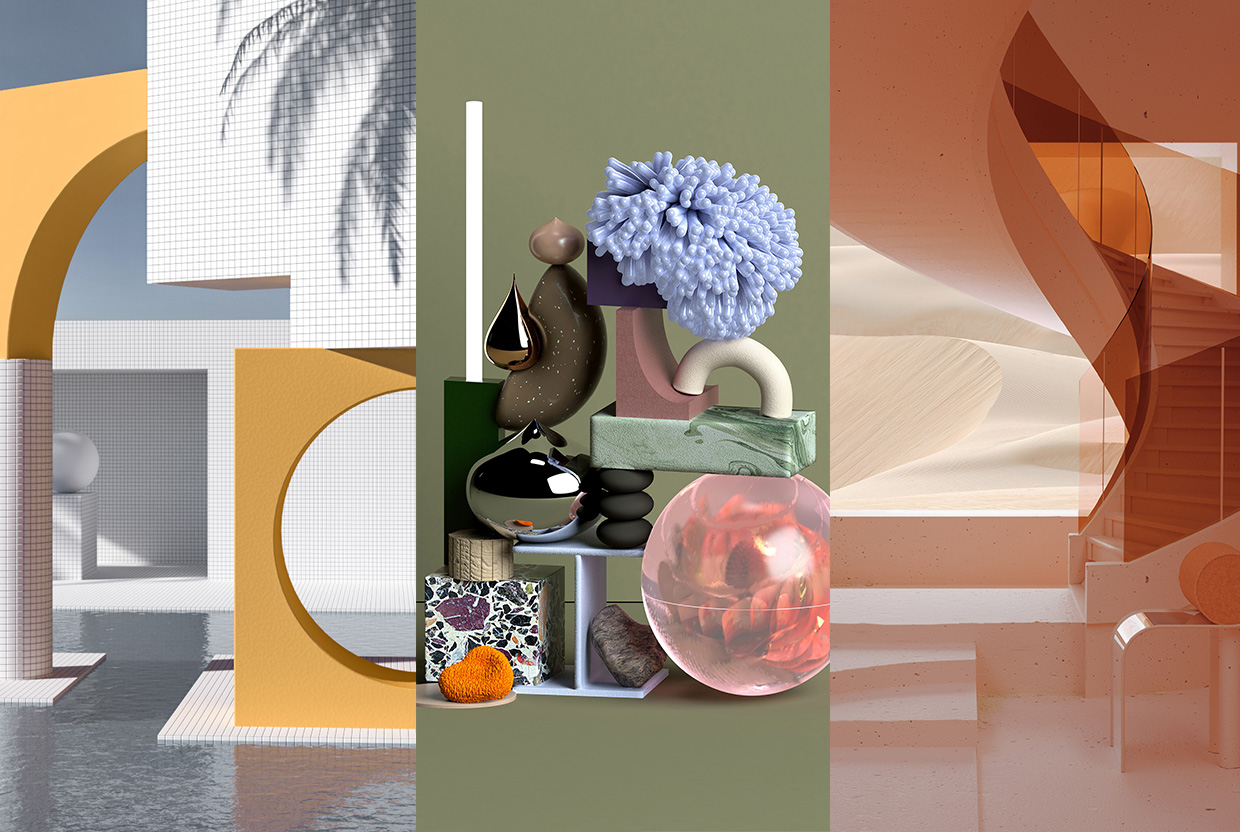
As computing power increased, so did the potential for achieving photorealism in 3D visuals. Modern rendering engines leverage advanced algorithms to simulate light, shadow, and textures with astonishing accuracy. Yet, realism is not the sole goal; artists are also exploring stylized and abstract forms of 3D art, expanding the visual language and enabling new forms of expression.
Innovative Techniques in 3D Visualization
The quest for unlocking greater visual depth has led to the development of several groundbreaking techniques. These innovations are not only enhancing the quality of 3D visuals but also making them more accessible to creators across various industries.
Volumetric Rendering
Volumetric rendering is a technique that simulates the behavior of light as it passes through a volume, such as fog, smoke, or translucent materials. This method allows for the creation of highly realistic atmospheric effects that add depth and dimension to 3D scenes. By capturing the subtleties of light interaction within a volume, artists can produce visuals that evoke a sense of space and mood.
Physically Based Rendering (PBR)
PBR is a technique that models the way light interacts with surfaces based on physical principles. By accurately simulating materials’ properties, such as reflectivity and roughness, PBR delivers a heightened level of realism. This approach is widely used in industries ranging from video games to architecture, where the authenticity of materials is paramount.
Virtual Reality (VR) and Augmented Reality (AR)
VR and AR have opened new frontiers for 3D visualization, offering immersive experiences that blend the digital and physical worlds. In VR, users are fully immersed in a synthetic environment, while AR overlays digital information onto the real world. These technologies are being used in applications such as training simulations, virtual tours, and interactive storytelling, providing users with unprecedented levels of engagement.
Applications of Innovative 3D Experiments
The impact of innovative 3D experiments extends across various fields, transforming the way we interact with digital content and enhancing the potential for creative expression.
Entertainment and Gaming
The entertainment industry has been at the forefront of adopting cutting-edge 3D technologies. In gaming, realistic graphics and interactive environments create immersive experiences that captivate players. Similarly, in film and animation, 3D visuals bring fantastical worlds to life, enabling storytellers to craft narratives that transcend traditional boundaries.
Architecture and Design
In architecture and design, 3D visualization is an invaluable tool for conceptualizing and presenting ideas. Architects use 3D models to explore spatial relationships and communicate design intent to clients. Virtual walkthroughs and augmented reality applications further enhance the ability to visualize and interact with designs before they are built.
Education and Training
Innovative 3D experiments are transforming educational experiences by providing interactive and engaging learning tools. In fields such as medicine and engineering, 3D models and simulations enable students to explore complex concepts in a hands-on manner. Virtual labs and training modules offer safe environments for practice, reducing the risk associated with real-world experimentation.
The Future of 3D Visualization
As technology continues to advance, the future of 3D visualization holds exciting possibilities. Emerging trends and technologies promise to further revolutionize the way we create and experience visual content.
Artificial Intelligence and Machine Learning
AI and machine learning are set to play a significant role in the evolution of 3D visualization. These technologies can automate complex tasks, such as texture generation and pattern recognition, enhancing the efficiency and creativity of artists. Additionally, AI-driven algorithms can optimize rendering processes, leading to faster and more realistic results.
Haptic Feedback
Haptic feedback technology is poised to add a new dimension to 3D experiences by simulating the sense of touch. By allowing users to feel textures and interact with virtual objects through tactile feedback, haptics can enhance the realism and immersion of VR and AR applications.
Collaborative Platforms
Cloud-based collaborative platforms are transforming the way teams work on 3D projects. These platforms facilitate real-time collaboration, enabling artists and designers to work together seamlessly, regardless of their physical location. This trend is likely to continue, fostering a more interconnected and dynamic creative ecosystem.
Conclusion
Innovative 3D experiments are unlocking new levels of visual depth, transforming the way we create and interact with digital content. By embracing cutting-edge techniques and technologies, artists and designers can push the boundaries of their craft, creating immersive experiences that captivate and inspire. As we look to the future, the possibilities are limitless, promising a world where the digital and physical realms blend seamlessly to create new dimensions of visual storytelling.
#ChatGPT assisted in the creation of this article.








Post Comment